
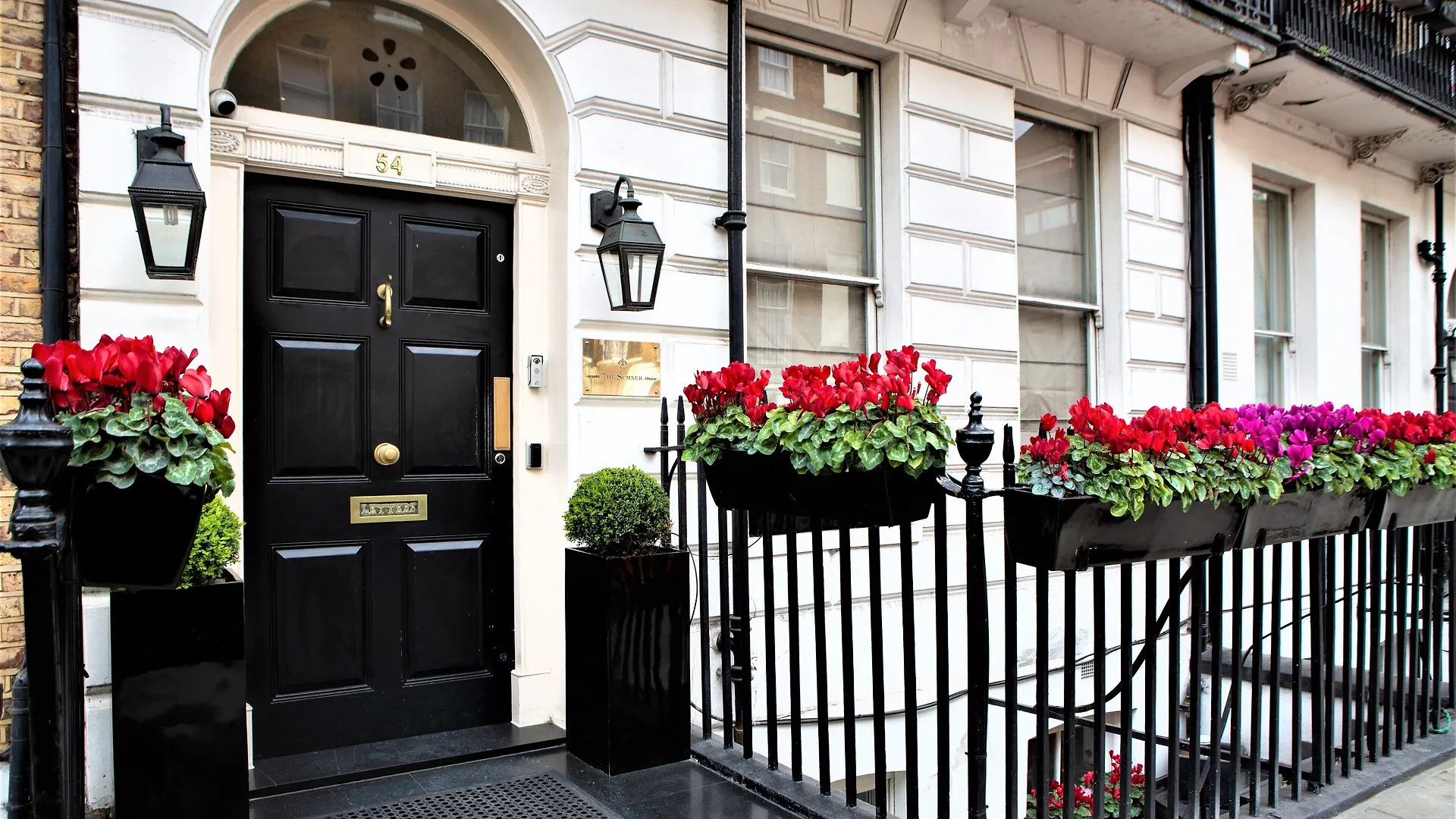
Marylebone sits between the retail intensity of Oxford Street and the green expanse of Regent's Park, giving it a rhythm that few central London districts can match - genuinely walkable, consistently quiet after dark, and served by multiple Underground lines. Boutique hotels here tend to occupy Georgian townhouses and converted period buildings, which means character-rich interiors but occasionally compact rooms. If you're weighing up where to base yourself in central London, this guide breaks down what boutique accommodation in Marylebone actually delivers - and when it makes sense over alternatives in Soho or the City.
What It's Like Staying in Marylebone
Marylebone functions more like a self-contained village than a typical central London district - Marylebone High Street runs parallel to Baker Street and delivers independent cafés, specialty food shops, and low-traffic pavements within a few minutes' walk of most hotels. Baker Street and Bond Street stations put the West End, Paddington, and Waterloo within a single Tube change, making early morning departures or late-night returns genuinely straightforward. Crowd pressure stays moderate compared to Covent Garden or Soho, but around Madame Tussauds on Marylebone Road, tourist volume peaks sharply on summer weekends.
Pros:
* Walking access to Hyde Park, Regent's Park, and Oxford Street without navigating heavy foot traffic en route
* Bakerloo and Jubilee lines at Baker Street and Bond Street reduce reliance on taxis at night
* Marylebone High Street provides a local, non-touristy dining and shopping scene steps from most hotels
Cons:
* Room rates in Marylebone run higher than equivalent-quality hotels in Paddington or King's Cross
* No direct Tube line to major southeastern attractions like the Tate Modern or Borough Market - at least one change required
* Parking is heavily restricted and expensive, making a car-based stay impractical
Why Choose a Boutique Hotel in Marylebone
Boutique hotels in Marylebone typically occupy Georgian and Edwardian period buildings - which translates to individually styled rooms, smaller floor plates, and a sense of place that larger chain hotels on the same streets cannot replicate. Room sizes in boutique properties here tend to be more compact than in newer builds, but the trade-off is architecture, artwork, and tailored service that justify the nightly rate for most urban travellers. Expect to pay a premium of around 25% over equivalent-star chain hotels in the district - the price reflects exclusivity and neighbourhood positioning rather than square footage.
Pros:
* Individually designed rooms with period features not found in chain or apart-hotel alternatives
* Smaller guest counts mean faster check-in, more attentive concierge knowledge, and quieter common areas
* Properties clustered near Marylebone High Street place guests within walking distance of Michelin-starred restaurants and the Wallace Collection without the noise of a nightlife district
Cons:
* Split-level Georgian layouts in some buildings mean elevator access is not always available to every floor
* Boutique properties in this district rarely include on-site gyms, pools, or large event spaces
* Rate flexibility is limited - last-minute deals are uncommon during London's peak summer and autumn conference season
Practical Booking & Area Strategy
The most strategic positioning for boutique hotels in Marylebone sits along or just off Upper Berkeley Street, Gloucester Place, and the side streets branching from Marylebone High Street - these locations keep guests within a 10-minute walk of both Marble Arch and Baker Street stations while avoiding the noise corridor of Marylebone Road itself. For attractions, the Wallace Collection on Manchester Square, the Wigmore Hall, and Regent's Park are all reachable on foot, while Madame Tussauds on Marylebone Road takes under 5 minutes to walk from the central High Street area. Book at least 6 weeks ahead for summer stays (June-August), when London-wide demand pushes boutique inventory to near-zero availability at competitive rates. Travellers arriving by Chiltern Railways into Marylebone Station gain a direct mainline connection from Birmingham and Oxford - useful context if planning day trips or arriving from outside London without switching terminals.
Recommended Boutique Hotels in Marylebone
Both properties below represent the boutique category in Marylebone - one anchored in the Georgian residential core of the district, the other offering a contemporary City-edge alternative for travellers splitting time between Marylebone and the financial district.
-
1. The Sumner Hotel
Show on map


 Check-infrom 13:00 until 23:59Check-outfrom 10:00 until 11:00
Just a few rooms left at the best rate!
from£ 133
-
2. Clayton Hotel London Wall
Show on map


 Check-infrom 14:30 until 23:59Check-outfrom 01:00 until 11:00
Hurry – almost gone at this price!
from£ 191
Smart Travel & Timing Advice for Marylebone
September and October represent the best window for boutique hotel stays in Marylebone - summer crowds thin out after the school holiday peak, the Wallace Collection and Wigmore Hall reopen their autumn programmes, and Marylebone High Street's independent restaurants are easier to book without weeks of advance planning. July and August see London-wide occupancy push boutique rates up by around 30%, with very limited last-minute availability at the smaller properties that define this district. Winter stays from November through February deliver the lowest nightly rates and a noticeably quieter neighbourhood feel, though the trade-off is shorter daylight hours for walking Regent's Park or Hyde Park. A minimum of 3 nights makes the most of Marylebone's walkable radius - enough time to cover the Wallace Collection, Marylebone High Street, Regent's Park, and one or two day trips via Baker Street or the mainline station without feeling rushed.

